

On Wednesday January 28th, the staff of Mouth of the River (MOR) received an email from Shawn Kelly, journalism teacher and the MOR advisor at Oyster River High School (ORHS). This email outlined the recently introduced New Hampshire (NH) Parental Bill of Rights and stated that until further notice, recordings of students — typically an essential element of the reporting process — as well as posting video content on any MOR associated social media accounts, was now illegal in accordance with this law.
The NH Parental Bill of Rights (Chapter 189-B) was signed into law by NH Governor Kelly Ayotte on June 10th, 2025. However, it wasn’t until the Technical Advisory — a document released by the New Hampshire Department of Education defining the bill’s implications on NH public schools – was published, that it became clear how it would impact student life at ORHS.
The bill was brought to fruition under the belief that parents and guardians deserve full control over what their kids are learning in school and was designed to give them more say in their children’s education. “I take my role as a parent and a teacher very seriously, and this bill was created under the rhetoric that parents always think they have their [children’s] best interests at heart,” says Sherry Frost, ORHS English teacher. However, as Frost highlights, despite its intentions, the bill is having potentially unforeseen impacts on educational resources many classes rely heavily on. “I would like for the culture [of lawmaking] to shift back to recognizing that educators are professionals,” she says.
At this stage, the law mostly impacts video and audio recordings, meaning a student can no longer give their own consent to be recorded in school or a school sanctioned event/activity and must have signed parental consent, even if they are over the age of 18. This means that for the time being, all recordings of any student including those of the recorder themselves — without parental consent — are prohibited in accordance with the NH Parental Bill of Rights. At this time, there has yet to be a consent form created meaning all classes must comply to the conditions of the law for every student.
Not only does this mean journalism students can no longer record interviews for articles, but a plethora of other classes will be impacted as well. These include but are not limited to classes in the music, world language, and English departments which often require students to record themselves or others for assignments or AP test practice.
In addition to in-class work, this law is also highly restrictive of extracurricular activities. A number of athletes rely on videos for college recruiting, and many clubs and sports teams use social media to promote games and events. “Little things like posting on a school club Instagram isn’t as malicious as these lawmakers make it out to be,” says Brianna Arsenault. Arsenault advises the yearbook club who are now no longer able to use recordings as an aid to the writing portion of the publication.
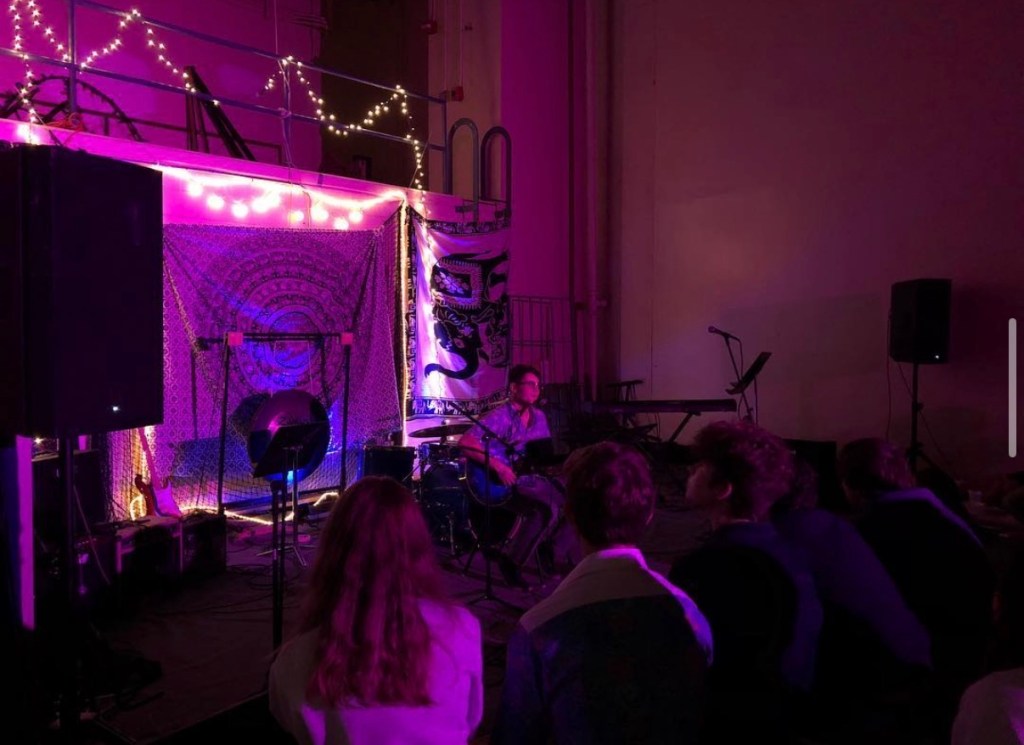
In a recent staff email, ORHS Principal Rebecca Noe shared that there is currently an amendment in progress regarding video/audio recording in public events such as music and sports events as well as extracurricular activities. She also highlighted the district’s progress on an opt-in media permissions form, allowing for students to receive consent to be recorded from their parent or guardian. Once this form is released, most classes and activities will be able to resume as normal.
Noe speculates that the inconvenient repercussions of this law were unintentional and simply derived from a lack of communication between NH lawmakers and educators. “I wish when these types of laws were created, there was a dialogue that could happen with educators that could ensure the intent behind the law is what is actually being carried out,” she says.
For now, the future of this bill and its impacts are still uncertain. While solutions are actively in process, their timeframes remain unknown. For the foreseeable future, teachers and students will continue to implement creative solutions and alternative approaches to their teaching and learning until further notice.
-Jahrie Houle
 Mouth of the River
Leave a Reply